










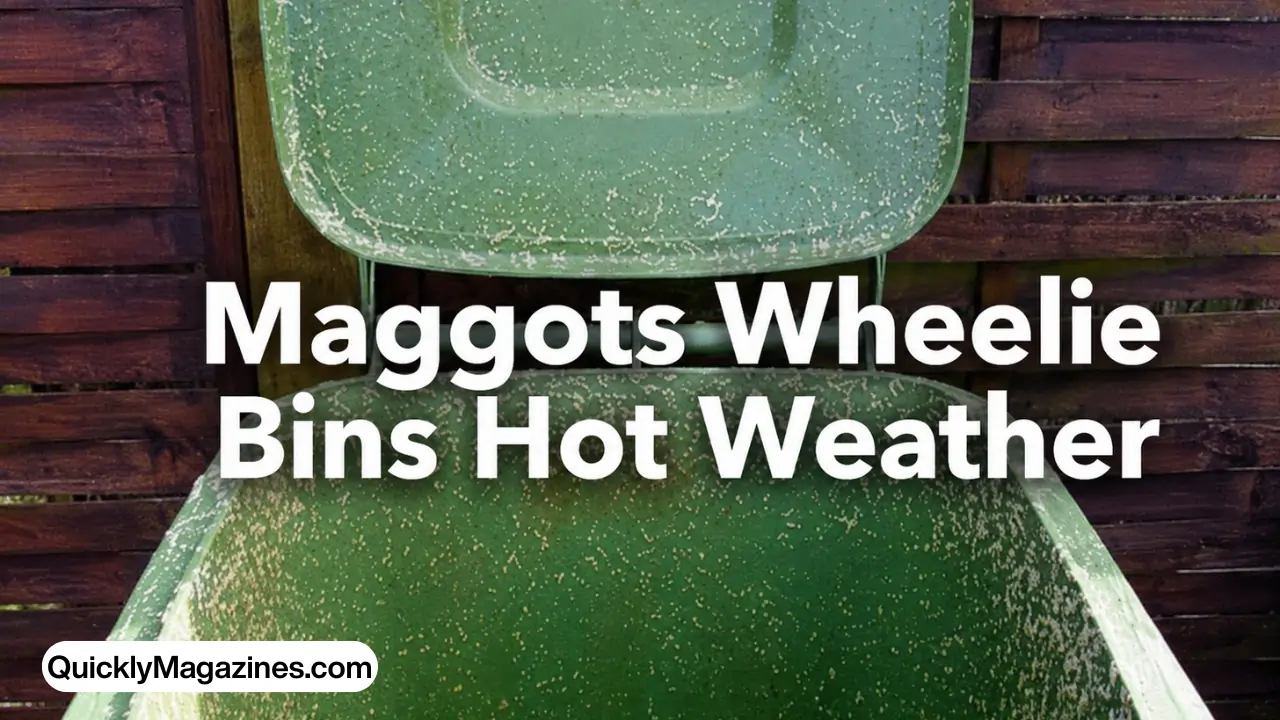
Introduction
The problem of maggots wheelie bins hot weather becomes more common during summer because heat speeds up the breakdown of household waste. Food scraps, meat packaging, and organic rubbish begin decomposing faster in warm temperatures, producing strong smells that attract flies.
Flies search for warm and moist places to lay eggs, and wheelie bins become the perfect breeding environment during heatwaves. Once flies enter the bin, they can lay hundreds of eggs on exposed rubbish. In hot conditions, those eggs may hatch within hours, leading to a rapid maggot infestation.
Many homeowners notice the issue suddenly appearing overnight, especially when bins are not cleaned regularly or are left standing in direct sunlight for long periods.
What Causes Maggots in Wheelie Bins
Understanding the causes behind maggots wheelie bins hot weather problems can help prevent future infestations. Several common household habits increase the risk of maggots appearing inside bins.
Exposed Food Waste
Food waste is the main reason flies are attracted to bins. Meat, fish, dairy products, leftover meals, and pet waste produce strong odours during hot weather. If rubbish bags are not tied properly, flies can easily reach the waste and lay eggs.
Hot Temperatures
Warm weather accelerates food decomposition. The higher the temperature, the faster bacteria multiply inside rubbish bins. This creates stronger smells and attracts more flies.
Moisture Inside the Bin
Liquids leaking from rubbish bags create damp conditions inside wheelie bins. Moist environments help maggots survive and grow quickly.
Open or Loose Bin Lids
Flies only need a small opening to enter a bin. Lids that do not close properly make it easier for insects to access waste and lay eggs.
Dirty Bins
Old food residue stuck to the sides or bottom of the bin creates an ideal environment for bacteria, flies, and maggots. Poor cleaning habits increase the chances of infestation during summer months.
How Fast Maggots Develop in Hot Weather
One of the biggest concerns with maggots wheelie bins hot weather situations is how quickly the infestation spreads. In warm conditions, fly eggs can hatch within 8 to 20 hours.
After hatching, maggots immediately feed on organic waste inside the bin. Heat speeds up their growth cycle, which is why bins can become heavily infested in a very short time.
The process becomes even faster during heatwaves when bins are left outdoors under direct sunlight.
Signs That Your Wheelie Bin May Attract Maggots
Certain warning signs indicate that your wheelie bin may soon develop a maggot problem.
Strong Bin Odours
A strong smell coming from the bin usually means food waste is decomposing rapidly. This attracts flies looking for places to lay eggs.
Increased Fly Activity
Large numbers of flies around the bin area are often an early sign of future maggot problems.
Leaking Rubbish Bags
Liquids leaking from waste bags create moisture and bacteria buildup inside the bin.
Overflowing Waste
Overfilled bins prevent lids from closing properly, making it easier for insects to enter.
Recognising these signs early can help prevent serious maggots wheelie bins hot weather infestations.
How to Prevent Maggots in Wheelie Bins During Summer
Preventing maggots requires regular bin hygiene and smart waste disposal habits. A few simple changes can greatly reduce the problem during hot weather.
Keep Bins Away from Direct Sunlight
One of the most effective prevention methods is storing bins in shaded areas. Heat increases decomposition and odours, which attract flies.
If possible, place wheelie bins:
- Under shade
- Near a wall with limited sunlight
- Inside a garage or covered area
Cooler conditions help slow down bacterial growth inside the bin.
Double-Bag Food Waste
Food scraps should always be sealed tightly before disposal. Double-bagging meat, fish, and pet waste helps contain smells and prevents leakage.
Strong rubbish bags also reduce moisture buildup inside the wheelie bin.
Clean the Bin Frequently
Regular cleaning is essential during summer months. Washing the inside of the bin removes old residue, bacteria, and bad smells that attract flies.
Use:
- Hot water
- Disinfectant
- Bin cleaner
- Mild bleach solution
Cleaning the bin every one or two weeks during hot weather can make a major difference.
Sprinkle Natural Odour Absorbers
Natural products can help absorb moisture and reduce unpleasant smells inside bins.
Popular options include:
- Baking soda
- Salt
- Vinegar
- Newspaper lining
- Lime powder
These household items help keep the interior of the bin drier and less attractive to insects.
Always Keep the Lid Fully Closed
Keeping the wheelie bin lid tightly shut is one of the simplest ways to stop flies from entering.
Check that:
- The lid closes completely
- Waste is not overflowing
- Bags are properly arranged inside
This simple habit can significantly reduce maggots wheelie bins hot weather issues during summer.
Best Ways to Remove Maggots from Wheelie Bins
If maggots are already present, quick cleaning is important to stop the infestation from spreading further.
Use Boiling Water
Boiling water is one of the fastest methods for killing maggots. Pour the hot water directly onto affected areas inside the bin.
The heat kills larvae instantly and helps loosen dirt stuck to the bin surface.
Disinfect the Entire Bin
After removing the maggots, thoroughly clean the wheelie bin using disinfectant or bleach solution.
Scrub:
- The bottom of the bin
- Side walls
- Lid edges
- Handles
This helps remove remaining eggs and bacteria.
Let the Bin Dry Completely
Dry conditions make it harder for flies and maggots to survive. Leave the bin open in a shaded area until completely dry before adding new rubbish.
Apply Odour Control Products
After cleaning, use baking soda or deodorising products to reduce smells and discourage flies from returning.
Why Wheelie Bins Smell Worse During Summer
The smell from wheelie bins becomes stronger during hot weather because bacteria break down food waste much faster in high temperatures.
Organic waste releases gases as it decomposes, especially meat and dairy products. When rubbish remains trapped inside warm bins, unpleasant odours build up quickly.
Poor ventilation, moisture, and leftover food residue all contribute to stronger smells during summer months.
Regular cleaning and proper waste disposal are the best ways to control wheelie bin odours.
Importance of Wheelie Bin Hygiene During Heatwaves
Good bin hygiene becomes even more important during periods of extreme heat. Dirty bins not only smell unpleasant but also attract insects, rodents, and bacteria.
Maintaining clean wheelie bins helps:
- Reduce fly infestations
- Prevent maggots
- Control bad odours
- Improve outdoor cleanliness
- Lower bacteria buildup
Simple maintenance habits can help homeowners avoid major maggots wheelie bins hot weather problems throughout summer.
Conclusion
Hot weather creates the perfect environment for maggots to develop inside wheelie bins. Heat, moisture, food waste, and poor cleaning habits all contribute to infestations during summer months.
Keeping bins shaded, sealing food waste properly, cleaning regularly, and using natural odour-control methods can greatly reduce the chances of maggots appearing.
With consistent wheelie bin hygiene and proper waste management, homeowners can keep bins cleaner, fresher, and easier to manage during hot weather.
FAQs
1. Why do maggots appear in wheelie bins during hot weather?
Maggots appear because flies are attracted to warm food waste inside bins. Hot temperatures speed up decomposition and create ideal breeding conditions.
2. How quickly do maggots hatch in wheelie bins?
During hot weather, fly eggs can hatch within 8 to 20 hours, especially in warm and moist environments.
3. What is the fastest way to kill maggots in a wheelie bin?
Boiling water is one of the quickest and most effective ways to kill maggots inside wheelie bins.
4. How can I stop flies from entering my wheelie bin?
Keep the lid fully closed, double-bag food waste, clean the bin regularly, and store it in shaded areas.
5. Why does my wheelie bin smell worse during summer?
Heat speeds up food decomposition and bacteria growth, causing stronger odours inside wheelie bins during hot weather.